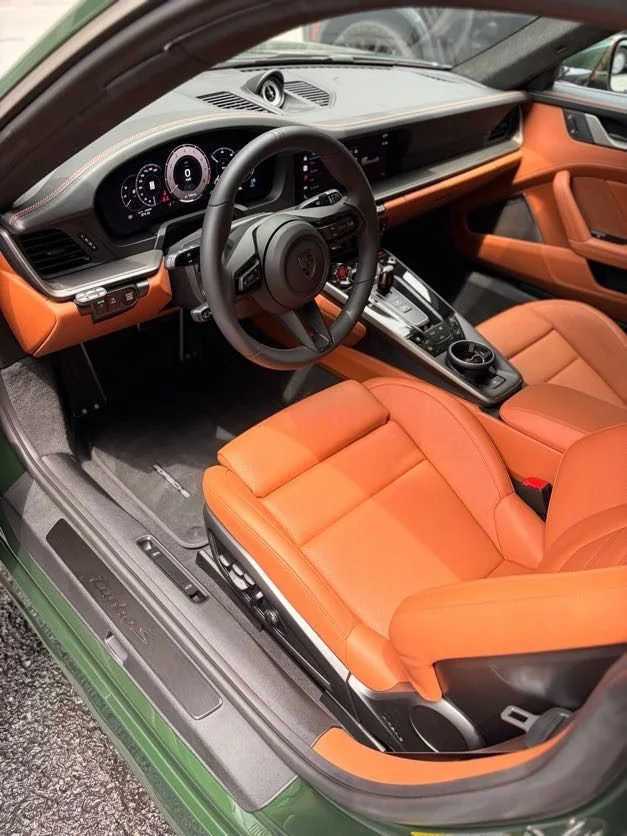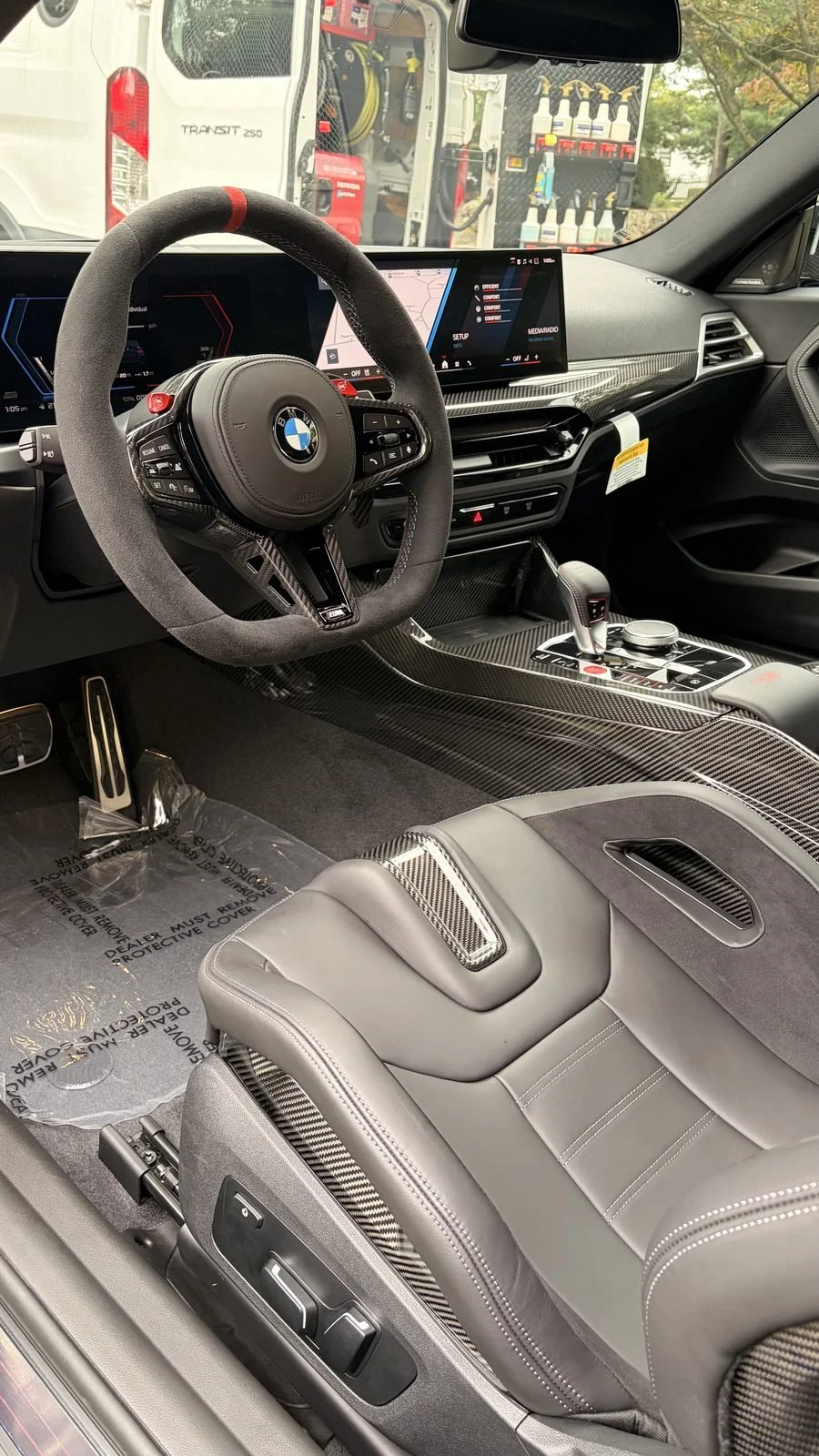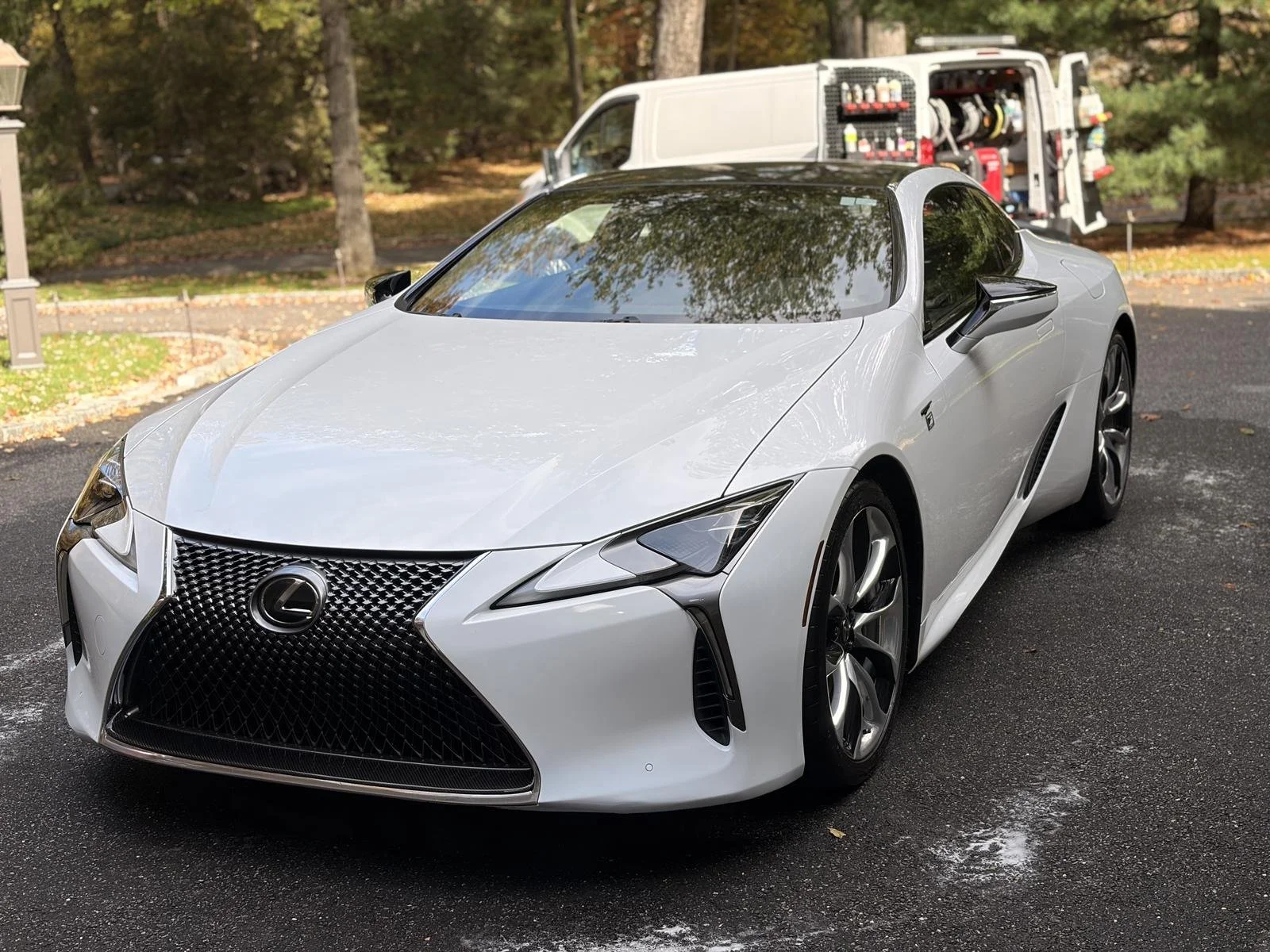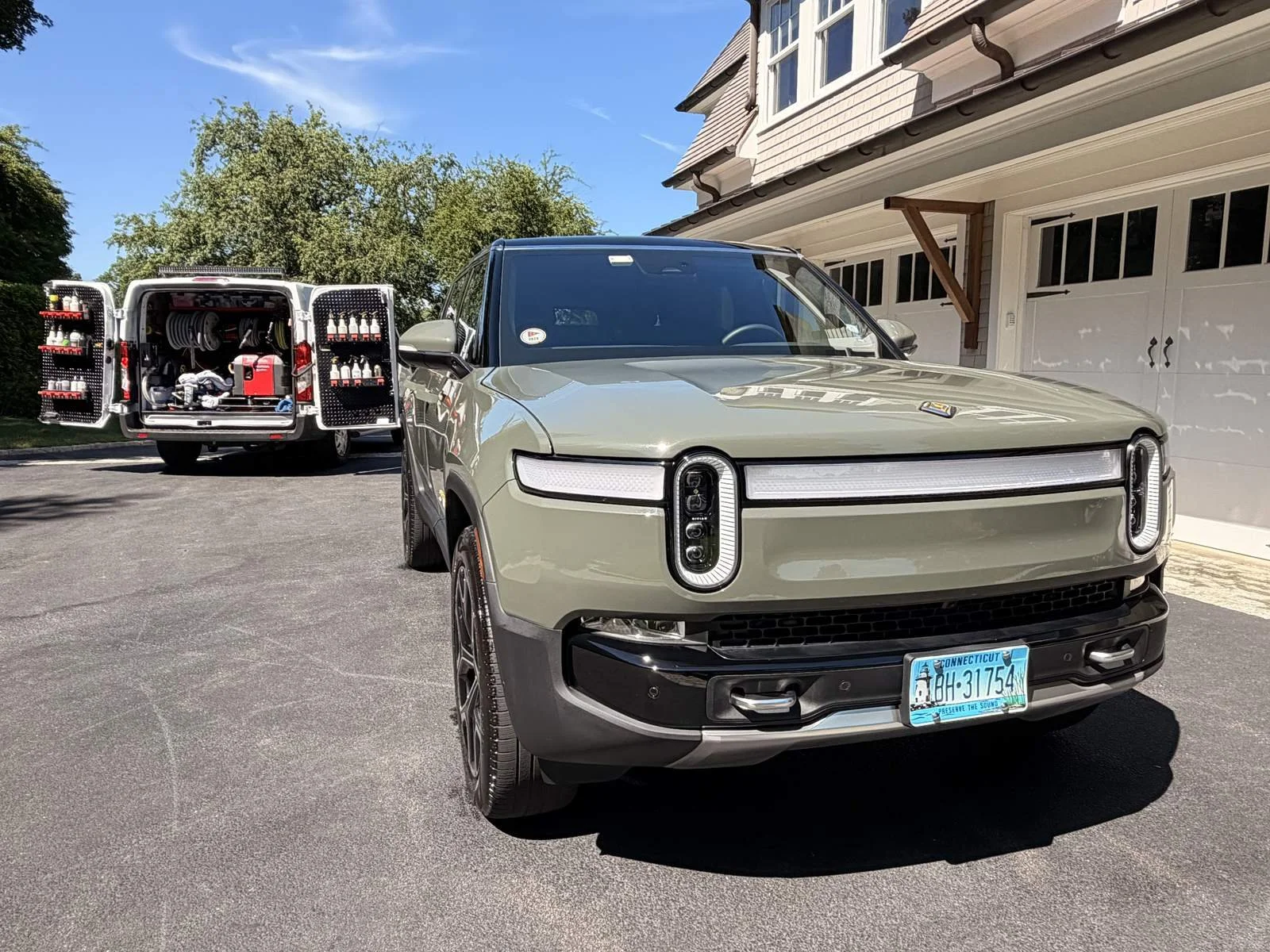
Formula X Mobile Auto Detailing & Ceramic Coating · Interior Detailing Seat by Seat
Most people judge an interior by the front seats and the center console. A careful detailer judges it seat by seat: the driver’s footwell and seat tracks, the passenger side where bags and coffee land, the second row where kids and dogs ride, the third row if there is one, then the trunk. Each zone holds a different mix of sand, spills, hair, and fingerprints, and each needs its own pass with the vacuum, extractor, steamer, and towels. This guide walks through a mobile interior detail that way, zone by zone, so you know what gets cleaned in each seat and what still belongs with an upholstery shop, glass shop, or mechanic. It also covers mats, leather versus cloth, Formula X’s published packages, and how to check the work. Formula X Mobile Auto Detailing & Ceramic Coating is based at 48 Union St, Stamford, CT 06906, and can be reached at (203) 945-9454.
What gets cleaned in a mobile interior detail, seat by seat?
A careful mobile interior detail works the cabin zone by zone: trash and loose items out first, then the driver’s seat and footwell, the front passenger seat, the second row, any third row, and the trunk or cargo area, with mats cleaned outside the car. Each zone gets a thorough vacuum, then shampoo or extraction on carpet and cloth, steam on hard surfaces and crevices, leather cleaning and treatment where needed, and a wipe of plastics and screens. The inside of the glass is usually last. Formula X’s Bronze Interior package ($295+) lists thorough vacuuming, interior steam cleaning, leather treatment, windows and exhaust tips, and carpet and upholstery shampoo. Gold ($495+) pairs that depth with a full exterior. Tears, burns, and leaks go to other shops.
For the package checklist rather than the seat-by-seat walkthrough, read what’s included in a mobile interior detailing service. For the service itself, see interior detailing in Stamford, CT and mobile car wash and detailing in Stamford. To get ready for the visit, read how to prepare for a mobile detail.
Where the details come from: Package contents and prices come from Formula X’s published packages. Odor-treatment cautions come from the EPA, car seat guidance from NHTSA, floor mat safety from NHTSA winter driving tips, pet travel guidance from the American Veterinary Medical Association, and thirdhand smoke background from the Mayo Clinic. The seat-by-seat method is general professional detailing practice. Ask any detailer, including Formula X, exactly which steps your package covers.
Why Cleaning Seat by Seat Beats a Quick Pass
Quick answer: A quick vacuum hits what’s on top. A seat-by-seat detail hits what’s under, between, and behind each seating position, because sand, crumbs, and spills collect in different places on the driver’s side, the passenger side, and the rear.
The driver’s side sees shoes, salt, and the densest foot traffic. The passenger side often holds bags, coffee, and shopping. The second row takes snacks, toys, and dog hair. The trunk holds sports gear, strollers, and grocery grit. Treating the cabin as one open space leaves the high-wear zones underdone.
Working seat by seat also controls water and product. Cloth seats and carpet are cleaned panel by panel so rings don’t form. Leather is treated one seat at a time so the finish stays even. Hard surfaces get steam and a wipe after the wet work so residue isn’t tracked around.
Time is the other reason. A detailer who budgets minutes per zone is less likely to rush the tracks under the driver’s seat or the carpet under a child seat. Those two spots alone often hold more grit than the rest of the visible carpet combined.
This guide is the zone map. The companion post on what’s included in a mobile interior detail lists the process steps and package contents. Use both when you book.
| Zone | What usually collects there | Why it needs its own pass |
|---|---|---|
| Driver seat and footwell | Sand, salt, shoe grit, pedal-area dust | Highest wear; mats and tracks hide the worst dirt |
| Front passenger | Bags, drinks, fingerprints, console crumbs | Cupholders and door pocket fill up fast |
| Second row | Snacks, toys, dog hair, car-seat crumbs | Seams and under-seat areas hold spills |
| Third row / cargo | Sand, sports gear, grocery grit | Large area; often skipped in a quick clean |
Seat-by-Seat Map vs. the Step Checklist
Quick answer: The checklist guide answers what steps are in an interior detail. This guide answers what those steps look like in each seating zone, so you can point to the driver’s tracks, the second-row carpet, or the trunk well when you book.
If you want the order of operations—vacuum, shampoo, steam, leather, glass—start with what’s included in a mobile interior detailing service. If you want to know why the driver’s footwell takes longer than the passenger side, or what “thorough” means under a car seat, stay here.
Both posts use the same published Formula X packages and the same honesty rules: no invented jobs or reviews, Bronze Interior or Exterior from $295+, Silver from $395+, Gold from $495+, and same-day only when available, call to check.
Linking the two also helps searchers who arrive with different questions. One person asks what’s included. Another asks whether the detailer will actually clean under the seats.
| Question you have | Better starting guide |
|---|---|
| What steps and products are in the package? | What’s included in a mobile interior detail |
| What happens at my driver’s seat vs. the third row? | This seat-by-seat guide |
| How much will it cost? | Mobile car detailing cost in Fairfield County |
| How do I get the car ready? | How to prepare for a mobile detail |
The Usual Order: Clear Out, Then Front to Back
Quick answer: Most careful interior details clear personal items first, pull the mats, then work from the front seats toward the rear and finish in the trunk, with glass near the end so nothing misted earlier lands on clean windows.
Clearing the car first is not optional if you want every seat cleaned well. Trash, cables, and bags block seat tracks and door pockets. Child seats hide the worst crumbs underneath. Decide before the day whether seats come out, and plan to reinstall them correctly using the vehicle and seat manuals and {ext(NHTSA,'NHTSA car-seat guidance')}.
Mats come out early and are cleaned outside the car. That keeps rinse water and scrubbing away from the cabin, and it lets the detailer reach the carpet underneath.
Front to back keeps dirty shoes and wet towels from walking over areas that were just finished. Glass and a final wipe of touchpoints usually come last.
On a hot day, a shaded driveway or garage helps. Products dry too fast on sun-baked plastics and leather, and wet carpet takes longer to dry in closed, hot cabins.
- Empty trash and personal items; decide on child seats
- Remove floor mats and clean them outside
- Driver seat, footwell, and driver’s door panel
- Front passenger seat, glovebox area, and passenger door
- Center console, cupholders, and screens
- Second row seats, belts, and rear doors
- Third row if equipped
- Trunk or cargo area, including under the floor panel when it lifts
- Inside glass and a final wipe of high-touch plastics
Tools and Setup for a Seat-by-Seat Mobile Interior
Quick answer: A seat-by-seat interior needs a strong vacuum with crevice tools, an extractor or shampoo system, a steamer for hard surfaces, soft brushes, towels reserved by task, and enough power and door-swing room to work every seating position.
Mobile setup is half the job. The detailer needs every door open fully, space to kneel at each sill, and a plan for power. Many vans carry their own power; some use a customer outlet. Generators stay outside, away from open doors and windows.
Tool separation matters inside the car too. A brush used on muddy mats should not go straight onto a headliner. Glass towels stay with glass. Leather towels stay with leather. That habit is what keeps a cleaned cabin from getting re-soiled mid-job.
Condo garages and office lots are common in Stamford and nearby towns. Interior-only work is often easier to approve than exterior washing because there’s no soapy runoff. Still ask the building about power cords in the lane and hours when work is allowed. Harbor Point and downtown office examples are in this Harbor Point mobile detail and this downtown Stamford office parking lot detail.
| Need on site | Why it matters for seat-by-seat work |
|---|---|
| Full door swing at every seat | You can’t vacuum tracks or wipe door pockets with the door half open |
| Power for vacuum and extractor | Weak suction leaves sand in the carpet |
| Shade or moderate cabin heat | Products flash too fast on hot plastics and leather |
| Place for wet mats to dry | Mats return only when they’re safe and dry |
Driver’s Seat, Footwell, and Seat Tracks
Quick answer: The driver’s zone is usually the dirtiest seating position. It gets a deep vacuum of the seat, tracks, and carpet, shampoo or extraction on carpet and cloth, leather cleaning where fitted, and careful work around pedals and the steering wheel.
Start by sliding the seat fully forward and fully back. That opens the tracks, where sand and salt from Connecticut winters collect. A crevice tool and a brush pull grit out of the rails and from under the seat. Skipping the tracks is the most common reason a “cleaned” car still feels gritty underfoot a day later.
The footwell carpet is pre-treated for salt rings and shoe soil, agitated, then shampooed or extracted. Winter in Fairfield County leaves white tide lines where slush dried. Those rings usually respond well when the cleaner has time to dwell and the extractor makes several passes.
The driver’s mat, cleaned outside, goes back only when dry and clipped into its retention points. {ext(NHT,'NHTSA')} warns that loose or stacked mats can slide under the pedals. A shiny dressing on a rubber driver’s mat is a hazard; careful detailers skip that.
On the seat itself, cloth gets a gentle shampoo edge to edge on each panel. Leather gets a cleaner suited to automotive leather, then a light treatment, not a greasy shine. Bolsters that are worn through or torn are noted as repair work, not cleaning.
Steering wheel, stalks, and the area around the pedals get a wipe after the wet carpet work so grit isn’t smeared back onto clean surfaces. Keep liquids away from switches.
| Driver-zone spot | What a detailer does | What you can check after |
|---|---|---|
| Seat tracks | Move seat; vacuum and brush rails | No sand when you slide the seat |
| Footwell carpet | Treat salt rings; extract | No white tide line; feels grit-free |
| Pedal area | Vacuum carefully around pedals | No piled dust at the sides |
| Steering wheel and stalks | Clean with interior-safe product | No sticky film; buttons not soggy |
Front Passenger Seat and Door Pocket
Quick answer: The passenger side often holds bags, drinks, and shopping, so the seat, footwell, door pocket, and glovebox area get their own vacuum, shampoo or leather care, and wipe-down.
Passenger footwells see less shoe traffic than the driver’s side but more spilled drinks and tracked-in grit from people climbing in with bags. The carpet still gets the same extraction standard. Door pockets are emptied and wiped; crumbs and receipts hide there for months.
If the seat is leather, clean the seating surface, the side bolsters, and the rear of the backrest where knees and cargo rub. Cloth seats are cleaned panel by panel to avoid rings. Seat-back pockets are vacuumed and wiped.
Glovebox interiors are usually wiped if they’re open and empty. Detailers don’t dig through personal papers. Clear them first.
The passenger door panel collects fingerprints around the handle and window switches. A light cleaner and a dry follow-up wipe beat soaking the switches.
- Vacuum seat, seams, and under the seat
- Extract or shampoo carpet and treat stains
- Clean door pocket, grab handle, and window switches
- Wipe glovebox exterior and, if empty, the bin
- Clean seat-back pocket and rear of the front seat
Center Console, Cupholders, Vents, and Screens
Quick answer: Hard surfaces in the middle of the car get steam or targeted cleaning for sticky cupholders and dusty vents, then a careful wipe of screens and buttons so fingerprints and film come off without soaking electronics.
Cupholders and console bins collect syrup, crumbs, and coins. Steam loosens that grime; a soft brush and towel lift it out. Vents hold dust that blows back onto a clean dash if they’re skipped.
Screens and piano-black plastics scratch easily. A microfiber made for interiors, light pressure, and a product meant for electronics or interior plastics beat glass cleaner sprayed straight onto a display. Buttons are wiped, not flooded.
The armrest lid, hinge, and underside get a wipe too. That’s where lotion and food residue hide.
Wireless charge pads and cupholder rings should be dry before you leave. Trapped moisture under a rubber ring smells musty within a day.
| Surface | Careful approach | Common mistake |
|---|---|---|
| Cupholders | Steam, brush, wipe dry | Leaving sticky film at the bottom |
| Vents | Steam or soft brush; wipe face | Pushing dust deeper into the duct |
| Touchscreen | Barely damp microfiber | Spraying liquid onto the screen |
| Piano-black trim | Light wipe, no harsh scrub | Micro-scratches from dry paper towels |
Second-Row Seats, Belts, and Under-Seat Crumbs
Quick answer: The second row is where kids, car seats, and dogs leave the most debris. Seats slide or fold when the design allows so the detailer can vacuum under them, then shampoo cloth or clean leather, and wipe belts and buckles.
Under a child seat is often the dirtiest square foot in the car. If the seat comes out for the visit, that carpet and the lower seat cushion can finally be cleaned. Reinstall the seat afterward with the correct path for the belt or LATCH, checked against the manuals and {ext(NHTSA,'NHTSA guidance')}. Formula X cleans; it doesn’t certify car-seat installs.
Seat belts are wiped along their length. Soaking a belt is a bad idea. Buckles get crumbs blown or brushed out so they click cleanly.
Dog hair packs into second-row seams and carpet. Removing it takes special tools and time, which is why Formula X lists a pet hair extra. For a deeper look, read how to remove dog hair from car seats and carpet. The AVMA also discusses pets in vehicles from a safety angle; from a cleaning angle, photos of the worst seat help price the job.
Snack spills that soaked into foam may need more than one pass and still leave a faint shadow. Saying that before the job starts is better than promising a factory-new seat.
| Second-row issue | Usual detailing approach | Referral if needed |
|---|---|---|
| Crumbs under car seats | Remove seat if agreed; vacuum and extract | None for cleaning |
| Juice or snack stains | Spot treat; shampoo cloth | Dye damage may stay |
| Dog hair | Rubber brush, vacuum, repeat | Extra charge; heavy coats take longer |
| Torn seat fabric | Clean around it | Upholstery shop for repair |
Third Row, Trunk, and Cargo Floor
Quick answer: SUVs and minivans get the third row and cargo area vacuumed and wiped like the rest of the cabin, including under lift-out floor panels when they’re accessible. Sports gear grit and grocery spills are common here.
Third-row seats fold and tumble in different ways by brand. A careful detailer works within the design: vacuum the wells, clean the seat faces, and wipe the plastic surrounds. Forcing a mechanism is how trim breaks.
The trunk or cargo floor is vacuumed, then wiped. If the floor panel lifts, the spare-tire well is checked. That’s where sand and leak stains show up. Wet carpet that returns after every rain is a leak, not a cleaning problem.
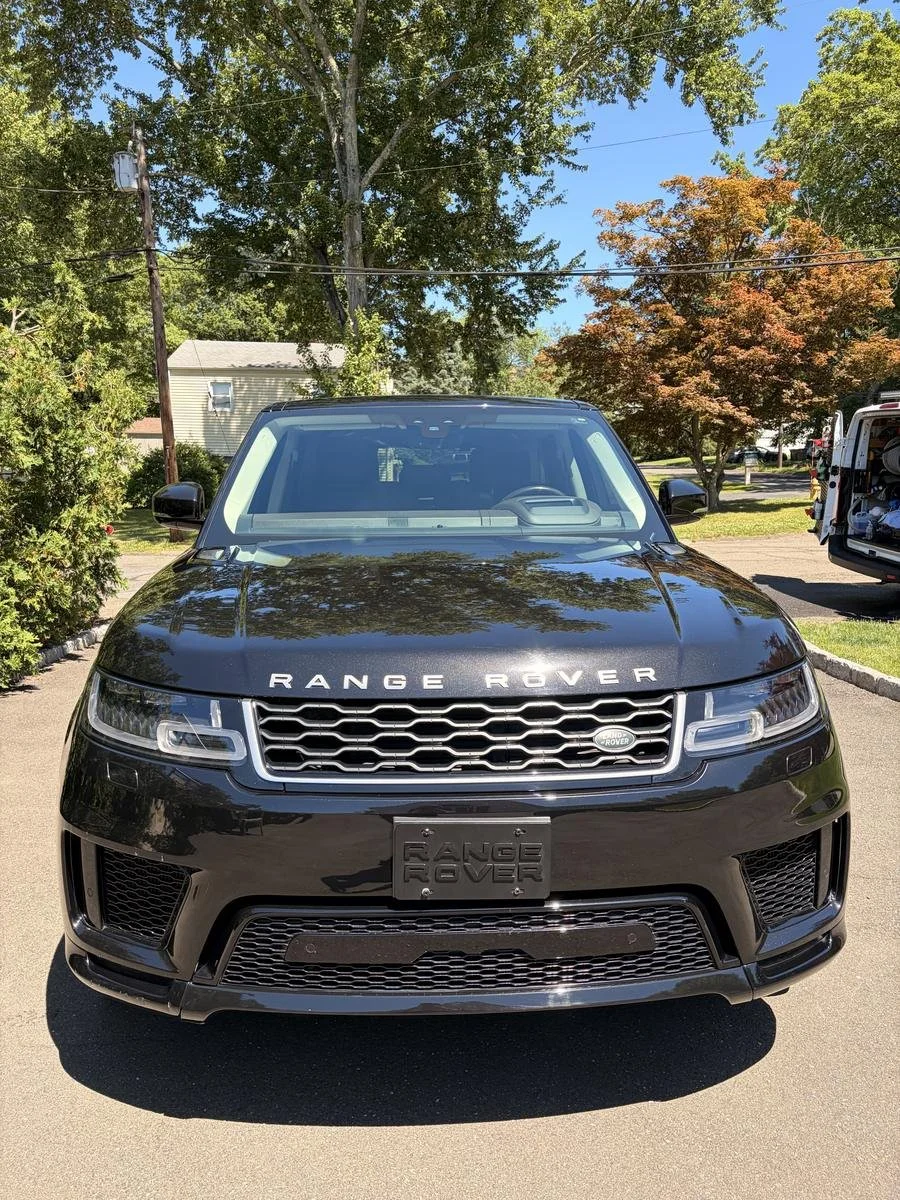
For a family-vehicle example, see this Honda Odyssey interior deep clean in Norwalk. For a luxury SUV cabin example, see Range Rover interior detailing in Cos Cob.
Cargo nets, grocery hooks, and side pockets get emptied and wiped. A single forgotten french fry under a cargo cover will smell like the whole trunk on a warm day.
- Vacuum third-row seats and footwells
- Clean plastic surrounds and cupholders in the rear
- Vacuum cargo floor and side pockets
- Lift the floor panel when it comes up easily; vacuum the well
- Wipe the inside of the liftgate or trunk lid
How Seat-by-Seat Work Changes by Vehicle Type
Quick answer: A compact sedan has fewer zones and usually finishes faster. A three-row SUV or minivan multiplies carpet, belts, and plastic surrounds, so the same Bronze Interior package takes longer and can cost more under the plus pricing.
Sedans concentrate wear in the two front footwells and the rear bench. SUVs add cargo length and higher sills. Minivans add sliding-door tracks, which collect grit that works into the cabin if they’re ignored at the sill.
Name the year, make, and model when you ask for a price. Photos of the third row and the cargo area prevent underestimating a family vehicle.
Size and condition are why Formula X prices show a plus sign. The cost guide at how much mobile car detailing costs in Fairfield County explains how that works without inventing numbers beyond the published starting prices.
| Vehicle type | Zones that add time | What to photograph |
|---|---|---|
| Sedan / coupe | Front tracks; rear bench seams | Worst footwell and rear seat |
| Two-row SUV | Cargo floor; higher plastic sills | Cargo area and rear seat base |
| Three-row SUV / minivan | Third row wells; sliding-door sills | Third row and under a car seat |
Floor Mats, Leather Seats, and Cloth Seats
Quick answer: Mats are cleaned outside the car. Leather is cleaned and lightly treated seat by seat. Cloth is shampooed or extracted panel by panel so moisture doesn’t soak the foam or leave rings.
Rubber and all-weather mats are scrubbed and rinsed; carpet mats are vacuumed and shampooed. Nothing slippery goes on a driver’s mat. Retention clips go back on before you drive.
Leather care means clean first, then a light treatment. A heavy dressing that looks wet photographs well and wears poorly. Cracked or torn leather is a repair shop job.
Cloth cleaning uses milder agitation than carpet because seat foam holds water. Extraction pulls as much moisture out as possible. Heaters and occupancy sensors are a reason not to soak a seat.
Perforated leather needs extra drying time so water doesn’t sit in the holes. If the car has ventilated seats, say so when you book.
Mat safety: After any interior detail, check that the driver’s mat is the correct one for the car, lies flat, and is hooked on its retention clips. Never stack a second mat on top.
Inside Glass, Headliner, Visors, and Seat Belts
Quick answer: Inside glass is usually cleaned last with dedicated towels. The headliner and visors get a light clean only; overwetting a headliner can stain or loosen it. Belts are wiped, not soaked.
Interior glass shows every smear once the sun hits the windshield. A dedicated glass towel and a careful pass on the lower corners near the dash make the biggest difference for night driving.
Headliners are fragile. Spot cleaning with minimal moisture is the safe approach. A sagging headliner needs a trim shop, not more cleaner.
Visors, vanity mirrors, and grab handles get a wipe. Seat belts, as noted in the second-row section, are wiped dry along their length.
If the cabin still smells closed-in after cleaning, leave windows cracked while carpets finish drying, as long as the car is in a safe place.
What Connecticut Winters Do to Each Seat Zone
Quick answer: Road salt and sand don’t stay in the footwells. They migrate into seat tracks, under rear cushions, and into cargo wells, which is why a spring seat-by-seat interior detail is common after a Fairfield County winter.
Salt rings on carpet are the visible part. The grit you feel when you slide the driver’s seat is the part a quick vacuum misses. How road salt damages a car covers the exterior and underbody story; inside the cabin, the issue is abrasion and leftover brine in fibers.
A spring deep clean pairs well with the habits in the winter car care checklist and spring detailing for salt and pollen. All-weather mats help all winter, then carpet mats can return when the roads dry out.
Drivers who park near the coast also bring in damp air and sand. The zones don’t change, but drying time after shampoo can stretch on humid days.
| Seasonal mess | Zones hit hardest | Detailing focus |
|---|---|---|
| Road salt brine | Driver and passenger footwells | Extraction until tide lines lift |
| Sand from winter roads | Seat tracks; rear footwells | Brush and crevice vacuum before shampoo |
| Wet dog after salt walks | Second row; cargo | Hair removal plus odor source clean |
| Beach sand in summer | Cargo well; third row | Lift floor panels; vacuum wells |
Want Every Seat Cleaned Where the Car Is Parked?
Tell Formula X Mobile Auto Detailing & Ceramic Coating the vehicle, where it’s parked, and which zones bother you most—driver footwell, second-row crumbs, trunk grit, pet hair, or a smell—with a few photos. You’ll hear whether Bronze Interior, Silver, or Gold fits, what’s likely to come out, and what needs another kind of shop.
What Comes Out Seat by Seat, and What Usually Doesn’t
Quick answer: Salt rings, many food and drink spills, and general grime usually improve a lot with shampoo and extraction. Ink, dye, bleach marks, and some heat-set stains may only lighten. Odors improve when the source soil is removed; ozone machines are not a magic fix, and the EPA warns consumers about ozone generators sold as air cleaners.
Smell problems need the source removed: spilled milk under a seat, pet accidents in carpet, or smoke residue in fabrics. For smoke specifically, read how to get smoke smell out of a car. Background on thirdhand smoke is summarized by the Mayo Clinic. The EPA cautions against relying on ozone generators as air cleaners.
Pet hair is a time problem more than a product problem. It weaves into cloth and carpet. Expect an extra charge when hair is heavy, and send photos of the worst seat.
Permanent dye transfer from jeans onto light leather, and bleach spots on cloth, often remain visible after a careful clean.
Be honest about what was spilled and roughly when. Fresh soda behaves differently from a month-old milk spill that soaked into foam.
| Problem | Likely after a deep clean | Notes |
|---|---|---|
| Winter salt rings | Usually come out well | Common in Fairfield County footwells |
| Coffee, soda, juice | Usually fade a lot | Age and heat-setting matter |
| Mud and sand | Usually come out | Tracks and under-seat areas matter |
| Ink, dye, makeup | May only lighten | Can be permanent |
| Smoke or pet odor | Often improves; may need follow-up | Source removal first |
Which Formula X Package Covers a Seat-by-Seat Interior
Quick answer: Bronze Interior ($295+) is the deep inside-only package: thorough vacuuming, steam, leather treatment, windows and exhaust tips, and carpet and upholstery shampoo. Silver ($395+) is a lighter clean inside and out. Gold ($495+) is a deep clean inside and out. Size, condition, and pet hair can add to the price.
If you only need the cabin done seat by seat, Bronze Interior is the usual fit. If the paint also needs a reset, Gold covers both sides. Silver fits a car that’s mostly tidy and needs a refresh rather than extraction-level work. For pricing context across Fairfield County, read how much mobile car detailing costs in Fairfield County.
Scratches, ceramic coating, and paint correction are quoted after inspection. Formula X does not do underbody, rust, dent, paint, body, or mechanical work.
When you book, say which seats are the problem. “Second row under the car seats” or “driver tracks full of sand” tells the detailer more than “interior is dirty.”
| Package | Starting price | Interior depth |
|---|---|---|
| Bronze Interior | $295+ | Deep clean inside only: vacuum, steam, leather, shampoo, windows |
| Silver (in + out) | $395+ | Lighter vacuum and wipe-down inside, plus a lighter exterior |
| Gold (in + out) | $495+ | Deep interior with shampoo and steam, plus a deep exterior |
| Bronze Exterior | $295+ | Outside only; not an interior package |
What a Seat-by-Seat Detail Does Not Include
Quick answer: Cleaning is not repair. Torn seats, burned fabric, cracked leather, sagging headliners, water leaks, A/C odor from the vents’ mechanical side, and broken electronics belong with an upholstery shop, body or glass shop, mechanic, or dealer.
A honest walk-around before the wet work starts is when those limits get said out loud. If carpets are wet after every rainstorm, cleaning them without finding the leak wastes money.
Underbody spraying, rust treatment, dent repair, paintwork, and mechanical repairs are outside Formula X’s detailing scope.
If a smell returns from the vents with the A/C on after the cabin surfaces are clean, the next call is a mechanic for the system and cabin filter, not another shampoo.
Torn or burned seats
Automotive upholstery or trim shop.
Cracked leather or worn bolsters
Leather repair specialist.
Sagging headliner
Trim shop.
Recurring wet carpets
Body or glass shop to find the leak.
Vent / A/C mechanical odor
Mechanic; cabin filter check.
Drying Time After Each Zone Is Cleaned
Quick answer: Carpet and cloth seats need time to dry after extraction. How long depends on how wet the job was, cabin temperature, and airflow. Plan not to close the car up soaking wet, and ask the detailer what to expect for your vehicle.
Drivers often want to leave as soon as the van does. If the footwells are still damp, crack windows when it’s safe, run the fan on outside air, and avoid parking in full sun with a soaked cabin, which can bake odors into fabrics.
Leather should feel clean and barely conditioned, not wet. If a seat feels cold and damp, give it more air time before a long drive in nice clothes.
Rubber mats should be fully dry before they go back under the pedals. A wet mat is slippery.
How to Prepare, and How to Check Each Seat Afterward
Quick answer: Empty the car, decide on child seats, confirm parking and power, send photos of the worst zones, and leave drying time. When the job is done, sit in every seat and check tracks, carpets under mats, belts, glass, and the trunk before the detailer leaves.
Prep details live in how to prepare for a mobile detail. Same-day service may be possible when available, so call to check at (203) 945-9454.
For checking: slide each front seat through its full travel and look at the tracks. Lift each mat. Look at the second-row carpet under where a car seat sits. Check the inside of the windshield from the driver’s seat. Confirm the driver’s mat is clipped in.
Booking: call (203) 945-9454 or send a request, and name the vehicle, the address where it’s parked, and which seats bother you most.
How often you need this depth depends on kids, pets, and winter miles. How often should you get your car detailed? puts interior timing next to washing and exterior care.
- Clear trash and valuables from every seat and pocket
- Photograph the worst footwell, seat, and cargo area
- Mention pet hair and child seats up front
- Plan drying time before closing the car up
- Afterward, check every seating position and the trunk
- Ask about anything that still looks wrong before the van leaves
Formula X Mobile Auto Detailing & Ceramic Coating
Formula X Mobile Auto Detailing & Ceramic Coating is a mobile detailing, paint correction, scratch repair, and ceramic coating service based at 48 Union St, Stamford, CT 06906. The team works throughout Stamford, Greenwich, Darien, New Canaan, Norwalk, Rowayton, Westport, and other towns in lower Fairfield County, and Westchester County, NY.
For a seat-by-seat interior detail, that means each zone of the cabin gets its own vacuum, shampoo or leather care, and wipe-down where your car is parked, a straight answer on stains and odors, and a referral when the job is repair rather than cleaning.
Call (203) 945-9454, email formulaxautodetail@gmail.com, send a request through the contact page, or view Formula X Mobile Auto Detailing & Ceramic Coating on Google Maps. Address: 48 Union St, Stamford, CT 06906.
Frequently Asked Questions About Seat-by-Seat Interior Detailing
What gets cleaned in a mobile interior detail, seat by seat?
A careful detail works zone by zone: clear-out, mats cleaned outside, driver's seat and footwell, front passenger seat, console and screens, second row, any third row, then the trunk, with inside glass near the end. Each zone gets vacuuming, then shampoo or leather care, steam on hard surfaces, and a wipe of plastics.
How is this different from the 'what's included' interior guide?
That guide lists the process steps and package contents. This guide maps those steps onto each seating zone so you know what happens at the driver's tracks, under a car seat, or in the cargo well.
Which Formula X package is best for a deep seat-by-seat interior?
Bronze Interior ($295+) is the deep inside-only package with thorough vacuuming, steam, leather treatment, windows and exhaust tips, and carpet and upholstery shampoo. Gold ($495+) adds a deep exterior. Silver ($395+) is a lighter clean inside and out.
Do you clean under child car seats?
Yes, when the seat is removed for the visit. Under a car seat is often the dirtiest spot in the cabin. Reinstall the seat using the vehicle and seat manuals and NHTSA guidance. Formula X cleans; it does not certify car-seat installs.
Why do the driver's seat tracks matter so much?
Sand and winter salt collect in the rails. If the seat is never moved through its full travel during vacuuming, that grit stays and the car still feels dirty underfoot after a surface clean.
Are floor mats cleaned with the seats?
Mats are taken out and cleaned outside the car, then returned dry and clipped into their retention points. NHTSA warns that loose or stacked mats can interfere with the pedals.
Does pet hair cost extra?
Yes. Formula X lists an extra charge for pet hair because removing it from seams and carpet takes special tools and time. Send photos of the worst seat when you book.
Will every stain come out of every seat?
No. Salt rings and many food or drink spills usually improve a lot. Ink, dye, bleach marks, and some heat-set stains may only lighten. Permanent damage is not a cleaning fix.
Can a detail remove smoke or pet odor from the cabin?
Odors improve when the source soil is removed from fabrics and carpets. Results vary. The EPA cautions against relying on ozone generators sold as air cleaners. Smoke-specific guidance is in Formula X's smoke-smell article.
How long do carpets take to dry after a seat-by-seat detail?
It depends on how wet the extraction was, cabin temperature, and airflow. Ask for an estimate for your car, crack windows when it's safe, and avoid sealing a soaking-wet cabin.
Do you clean the trunk and third row?
Yes on packages that include a thorough interior. The third row, cargo floor, and lift-out wells are part of a full cabin detail on SUVs and minivans.
What doesn't an interior detail fix?
Tears, burns, cracked leather, sagging headliners, water leaks, mechanical A/C odors, and broken electronics need an upholstery shop, body or glass shop, mechanic, or dealer. Formula X also does not do underbody, rust, dent, paint, body, or mechanical work.
Can I get a mobile interior detail today?
Same-day service may be possible when available, so call to check at (203) 945-9454. Sending the vehicle, where it's parked, which seats are worst, and a few photos helps.
Where is Formula X Mobile Auto Detailing & Ceramic Coating located?
Formula X Mobile Auto Detailing & Ceramic Coating is based at 48 Union St, Stamford, CT 06906, and can be reached at (203) 945-9454. It's a mobile service that comes to homes, offices, and condo buildings across lower Fairfield County and Westchester County, NY.
Find Formula X Mobile Auto Detailing & Ceramic Coating
Formula X Mobile Auto Detailing & Ceramic Coating is a mobile service based at 48 Union St, Stamford, CT 06906. Use the map for directions to the business address, or call (203) 945-9454 to arrange service at your location.
View Formula X Mobile Auto Detailing & Ceramic Coating on Google Maps
Book a Seat-by-Seat Mobile Interior Detail
Call Formula X Mobile Auto Detailing & Ceramic Coating at (203) 945-9454 or send a request with your vehicle, where it’s parked, which seats or zones bother you most, and a few photos. You’ll hear which package fits and what’s likely to come out, and anything that needs an upholstery shop, body shop, or mechanic will be said plainly.
48 Union St, Stamford, CT 06906 · Serving Stamford, Greenwich, lower Fairfield County, and Westchester County, NY
Recent Formula X detailing work